







Stretching is a gentle and effective way to improve your flexibility, relieve muscle tension, and promote overall body wellness. Whether you’re new to fitness or looking to add a simple routine to your day, stretching at home offers a convenient and accessible option to help your body feel its best.
In this beginner’s guide, we’ll explore why stretching is important, how to prepare for it, and step-by-step instructions for easy stretches you can do anytime at home.
Why Stretching Matters
Stretching helps lengthen muscles and tendons, which can increase your range of motion. This is beneficial for everyday activities as well as exercise, reducing the risk of injury and improving your posture. Beyond the physical benefits, stretching can also have a calming effect on the mind by releasing tension and encouraging deep breathing.
Getting Ready to Stretch
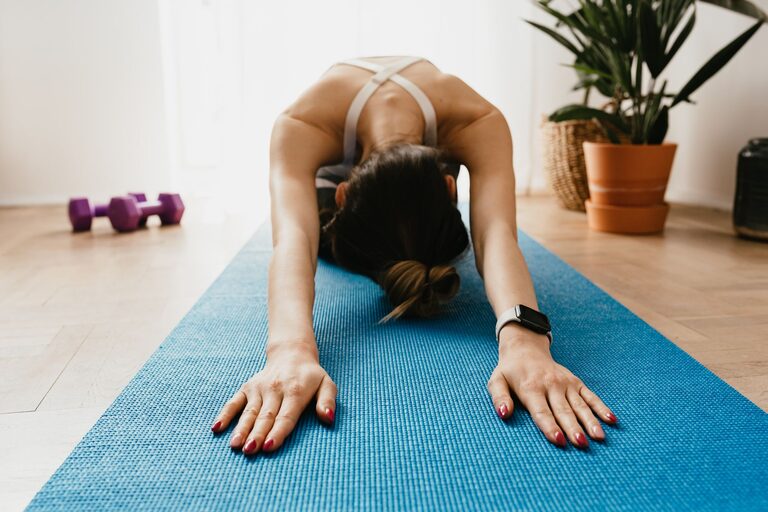
Before you start, find a quiet, comfortable space where you can focus without distractions. A yoga mat or soft carpet can provide cushioning for your joints. Wear comfortable clothes that allow you to move freely.
Tips for Safe Stretching
– Warm up briefly with light movement like walking or marching in place for 3-5 minutes.
– Move into each stretch slowly and gently.
– Avoid bouncing or forcing a stretch.
– Hold stretches for 15–30 seconds.
– Breathe deeply to help your muscles relax.
– Stop if you feel sharp or sudden pain.
Basic Stretching Routine for Beginners
Here’s a simple full-body stretching routine you can follow, designed to target major muscle groups. Aim to do this routine 3 to 4 times per week.
1. Neck Stretch
– Sit or stand upright.
– Slowly tilt your head to one side, bringing your ear toward your shoulder.
– Hold for 20 seconds, feeling the stretch along the side of your neck.
– Repeat on the other side.
2. Shoulder Rolls
– Stand or sit with your back straight.
– Slowly roll your shoulders forward in a circular motion 10 times.
– Then roll them backward 10 times.
– This helps loosen tight shoulder muscles.
3. Arm and Triceps Stretch
– Raise your right arm overhead.
– Bend the elbow so your hand reaches down your back.
– Use your left hand to gently press your right elbow downward.
– Hold for 20 seconds, then switch arms.
4. Chest Stretch
– Stand with your feet shoulder-width apart.
– Interlace your fingers behind your back.
– Straighten your arms and gently lift your chest upward.
– Hold for 20 seconds.
5. Side Stretch
– Stand with feet hip-width apart.
– Raise your right arm overhead.
– Lean gently to the left, stretching the right side of your torso.
– Hold for 20 seconds, then switch sides.
6. Hamstring Stretch
– Sit on the floor with your legs extended straight ahead.
– Flex your feet and gently reach toward your toes.
– Keep your back straight and avoid bouncing.
– Hold for 20-30 seconds.
7. Quadriceps Stretch
– Stand near a wall or chair for balance.
– Bend your right knee and bring your heel toward your buttocks.
– Grab your ankle with your right hand and gently pull.
– Keep your knees close together.
– Hold for 20 seconds, then switch legs.
8. Calf Stretch
– Stand facing a wall with your hands on the surface.
– Step your right foot back, keeping the heel on the floor.
– Bend your left knee slightly and lean forward.
– You should feel a stretch in the right calf.
– Hold for 20 seconds, then switch legs.
Stretching Tips for Success
– Consistency is key: Making stretching part of your routine will lead to better flexibility over time.
– Listen to your body: Stretching should feel good, not painful.
– Combine with movement: Try gentle yoga or light cardio to complement your stretching.
– Stay hydrated: Drinking water helps maintain muscle elasticity.
– Use props if needed: Straps, towels, or blocks can assist in some stretches.
When to Stretch
Stretching can be done at various times depending on your goals:
– After waking: Helps reduce morning stiffness.
– Before and after workouts: Prepares muscles and aids recovery.
– During breaks: Relieves tension from sitting or standing.
Conclusion
Starting a stretching routine at home is simple and rewarding. With just a few minutes each day, you can improve your flexibility, ease muscle tightness, and feel more relaxed. Remember to be patient with your progress and enjoy the positive changes in your body and mind.
Give these beginner stretches a try, and create a healthy habit that supports your active lifestyle!