









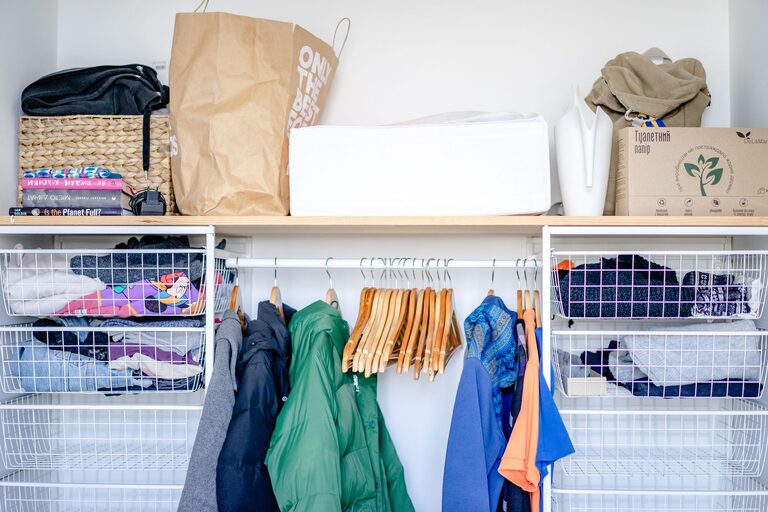
Storing seasonal clothes efficiently can save you valuable space and keep your wardrobe fresh and organized throughout the year. Whether you’re switching from heavy winter coats to light summer dresses or packing away bulky sweaters, having a system in place makes the transition smooth and hassle-free. In this post, we’ll explore practical strategies for storing your seasonal clothes, focusing on cleaning, packing, and organizing to maximize space and protect your garments.
Why Efficient Seasonal Storage Matters
When you don’t store your seasonal clothes properly, you risk damage from dust, moisture, pests, or wrinkles. Clothes left in crowded closets can become hard to find or may be forgotten until next year. Efficient storage protects your investment in clothing and makes dressing for the season easier.
Step 1: Clean Your Clothes Before Storing
The first and most important step is to ensure your clothes are clean before storing them away.
– Wash or dry clean: Dirt, oils, and sweat from wearing can attract moths and cause stains to set over time.
– Repair any damage: Fix loose buttons, replace missing hooks, and mend small tears so clothes are ready to wear next season.
– Make sure clothes are completely dry: Damp clothes can develop mildew, which can ruin fabric.
Taking these simple steps will keep your clothes in great condition and prevent unpleasant odors.
Step 2: Choose the Right Storage Containers
Selecting proper storage options goes a long way in protecting your clothes and saving space.
Storage Options to Consider
– Plastic bins with airtight lids: These protect clothes from moisture, dust, and pests. Choose clear bins to easily identify contents.
– Canvas storage bags or zippered garment bags: Breathable but protective, these are good for delicate items that shouldn’t be sealed in plastic.
– Vacuum-sealed bags: Great for bulky items like winter coats or comforters. These reduce volume by removing excess air, saving considerable space.
– Under-bed storage bins: Utilize often underused space with flat bins designed to slide under beds.
Avoid using cardboard boxes or regular plastic bags, as they don’t seal well and provide minimal protection.
Step 3: Use Space-Saving Techniques
Space is usually limited, so using clever techniques can help you store more clothes efficiently.
– Roll clothes instead of folding: Rolling minimizes wrinkles and can save space compared to traditional folding.
– Use shelf dividers: Keep stacks neat and prevent piles from toppling over.
– Store clothes vertically: In drawers or bins, stand folded pieces upright to see everything at a glance.
– Hang bulky coats in garment bags: If closet space allows, hanging keeps their shape intact.
Step 4: Sort and Label Your Storage
Organization is key when packing away clothes you won’t see for months.
– Sort by season and item type: Keep all winter sweaters together, all summer shorts together, etc.
– Label each container clearly: Use sticky labels or write directly on bins so you can quickly find what you need.
– Keep an inventory list: Maintain a simple list of what’s in each bin to avoid digging through all containers.
Step 5: Store Clothes in a Suitable Environment
Where you keep your clothes matters just as much as how you pack them.
– Choose a cool, dry place: Avoid damp basements or hot attics, which can damage fabric.
– Keep clothes off the floor: Use shelves or racks to protect from potential spills or pests.
– Use natural repellents: Lavender sachets or cedar blocks deter moths without harsh chemicals.
Step 6: Refresh Clothes Before Wearing Again
When it’s time to bring your seasonal clothes back out, take a few moments to freshen them up:
– Air them out: Hang clothes to eliminate any stale odors.
– Spot clean if necessary: Treat any minor stains before wearing.
– Press or steam: Smooth out wrinkles so clothes look their best.
Additional Tips for Special Items
– Shoes: Clean and stuff shoes with tissue paper before storing to maintain shape.
– Sweaters: Avoid hanging to prevent stretching; fold carefully instead.
– Delicates: Store in breathable bags or boxes with acid-free tissue paper.
– Accessories: Use organizers or small boxes to keep scarves, hats, and gloves tidy.
—
Efficiently storing your seasonal clothes not only protects your wardrobe but also helps you simplify your daily routine. With a little preparation and smart organizing, you’ll enjoy a clutter-free closet and easy access to your favorite pieces, no matter the season. Happy organizing!